Mad Bess and Sherborne Welfare
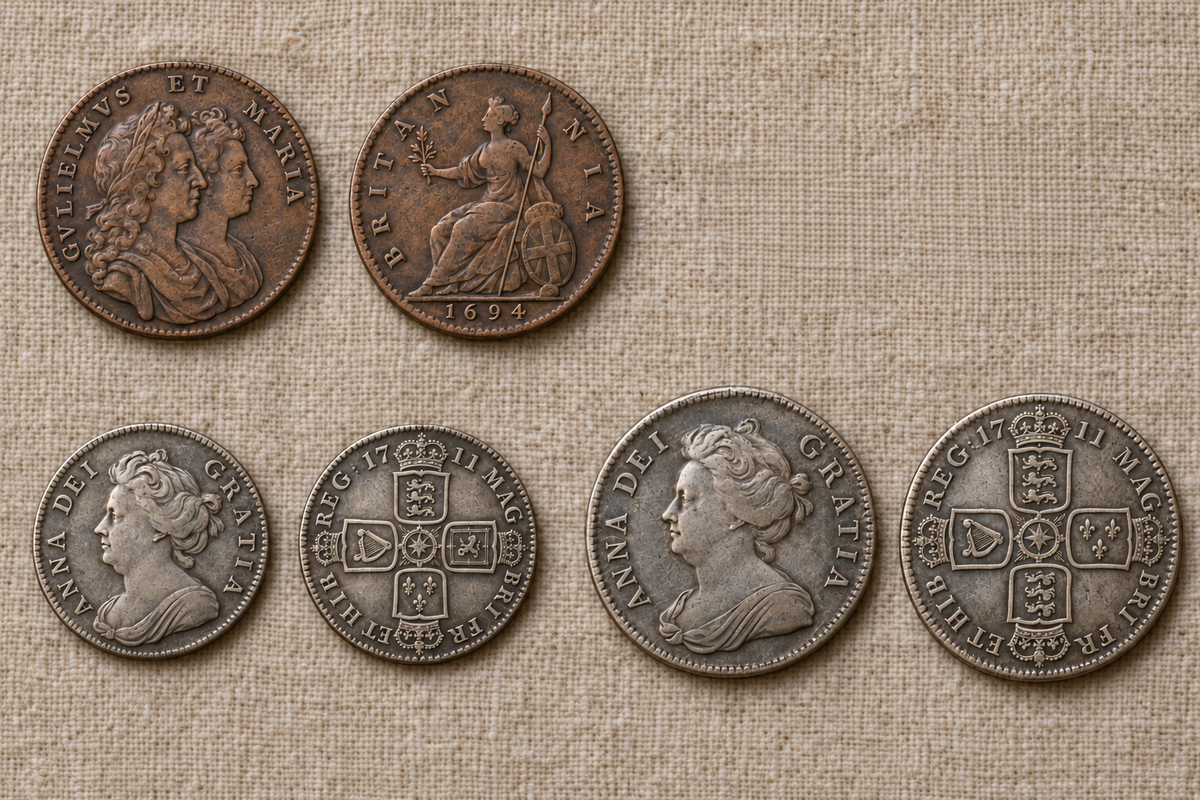
My continuing deciphering of the 1711-1713 estate notebook written by John Dutton, later Sir John Dutton, has provided me some fascinating insight. One aspect is how the welfare of the poor and needy was managed in this period in history and in Sherborne in particular. It sounds like a dry subject, but actually it's pretty interesting.
The Poor Laws. Starting in the 1600s, there was a series of poor laws. These effectively were a parish tax paid by landowners into parish funds from which the parish was able to support the poor and needy. John Dutton records the amount he pays as a result of these poor laws in his accounts. The funds would have been managed by parish officials, with the appointed village constable responsible. In some ways, the system worked well, as it allowed local application of funds with the knowledge of those who required them. They were always potentially subject to a little bit of fiddling on the side. Typically, the amount is something like a shilling per 25 acres per year.
Church briefs. It seems the local church provided a focus for additional fundraising for a number of charitable activities. These activities were often national in nature as a result of natural disasters, but occasionally local. Unfortunately, I can't tell the proportion, as John Dutton only recorded his donations to these events and not the underlying causes. Either the vicar (probably) or the churchwardens read out the details to the congregation, and I guess a plate was passed around. It seems John Dutton gave money frequently as a result of these briefs, maybe even about once a month. Typically, he gave a shilling each time. In his notes, he spells briefs B-R-E-I-F-S. Spelling in the early 18th century wasn't always consistent. The vicar of Sherborne at the time was the Reverend Thomas Parsons. A good name for a country vicar.
Individual donations. One of the most insightful aspects of the accounts is the seemingly frequent donations that John Dutton, as owner of the estate and lord of the manor, gave to needy people who he encountered. A good proportion of these alms payments seem to be within Sherborne itself, but he clearly kept a pocket full of change whenever he travelled and recorded each donation, even of perhaps a penny ha'penny sometimes. There's one in particular, a resident of Sherborne, called Mad Bess. He gives her money directly, but occasionally gives her a paid task of weeding his garden. Between May 1710 in December 1713 John Dutton made about 150 charitable donations, each recorded to the penny in his notebook. I have built a detailed table that's too big to post here, but let me extract a few.
Over 20 donations to church briefs at either 6d or 1s a time
Numerous donations to Mad Bess, a resident of Sherborne, sometimes of 6d, sometimes 2d, and sometimes a penny. On one occasion, a shilling. On one other occasion, he provided her a pair of shoes.
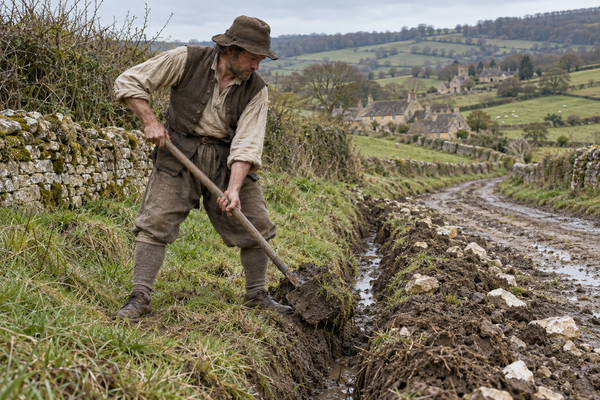
Frequently, he gives anything from a halfpenny to sixpence to "a poor man" or "a poor woman" as he travels around the country. I would say about 80- 90% of his donations are to anonymous people described as poor. Often beggars, I assume
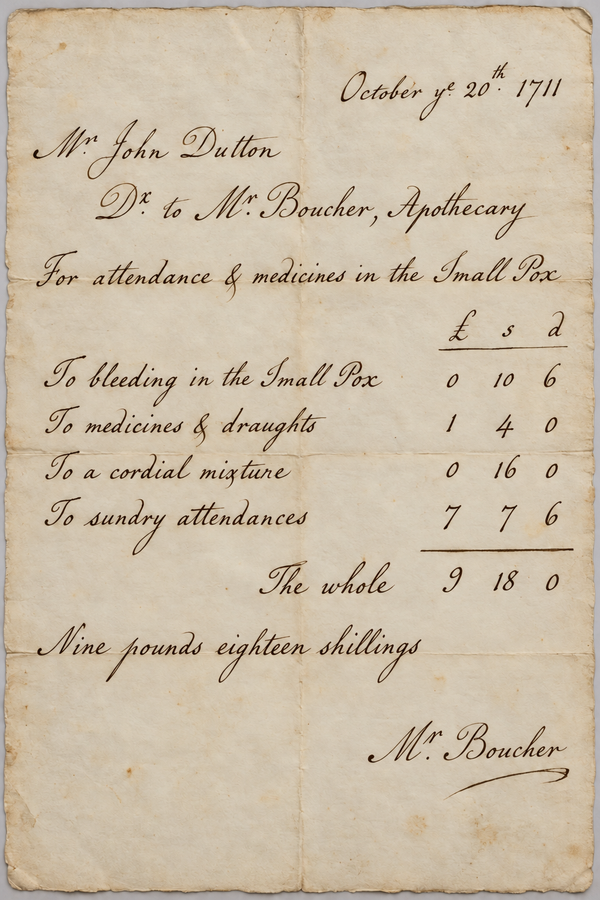
Sometimes he gives to the sick.In December 1712, he gave a total of £5 "to the Northleach people afflicted with the smallpox."
Some people seem to get specific donations on certain days, whether that be Lady Day, Midsummer, or Michaelmas etc, almost like a pension.
On one date in 1710, he gives money to a poor wounded former soldier in Sherborne. On occasions, I can be a bit too imaginative, but I imagine this soldier might have been injured at the Battle of Blenheim in 1704, a battle won by the Duke of Marlborough.
It's clear, I think, and a reasonable interpretation, to assess that John Dutton felt it his moral obligation to provide alms. How he compares to other men of a similar position in society at the time, I can't tell with this, but he does seem to be consistent. Separate from alms, it does seem he tips well also, at inns and when he stays with friends, he tips their servants. And he records every penny.
All in all, the account notebooks are providing us with some remarkable insight into how life worked in Sherborne in that period. This is how our predecessors here managed their lives. As such, I think it is an important part of the village heritage.