Sherborne accounts, 1710 -1713
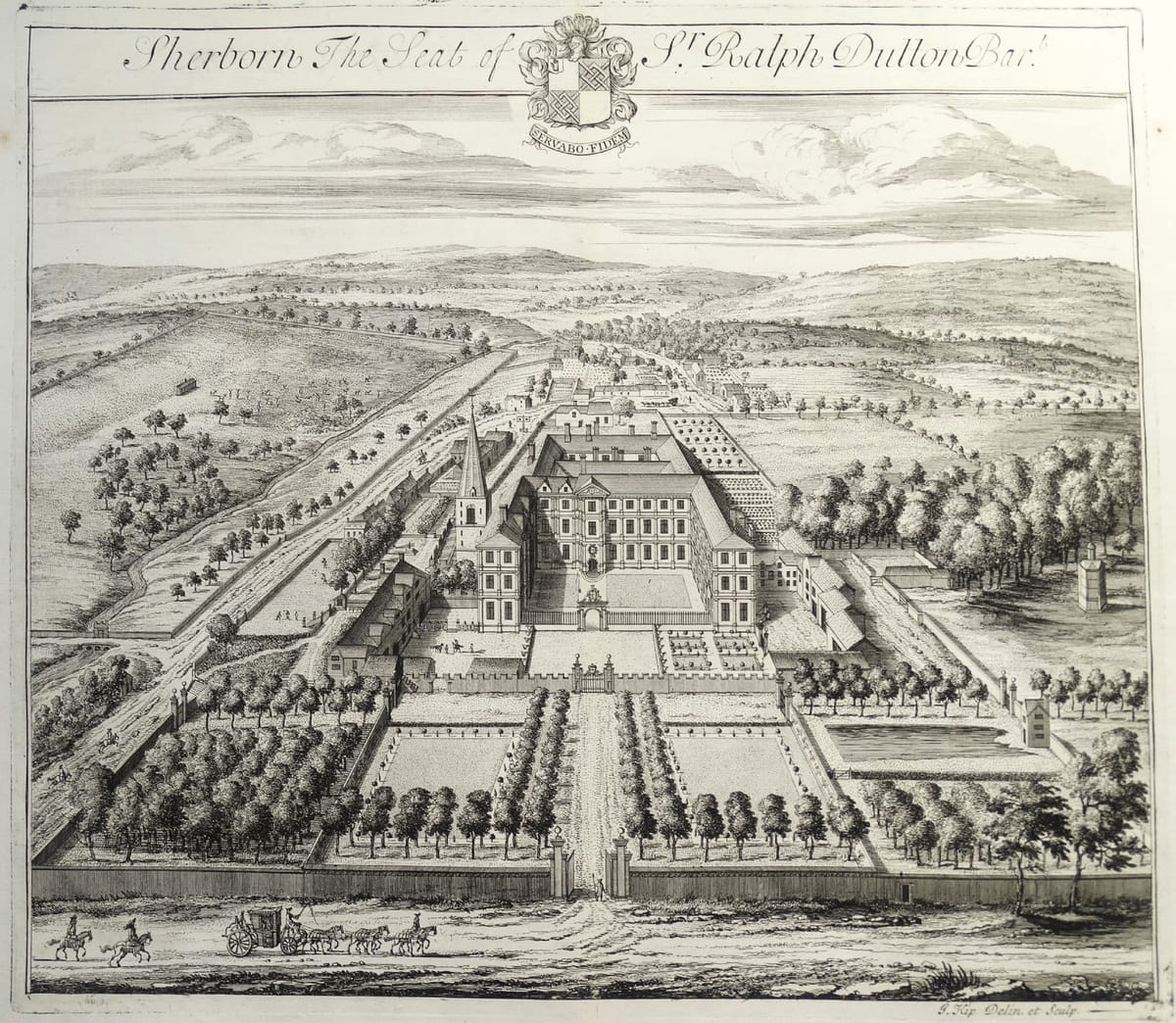
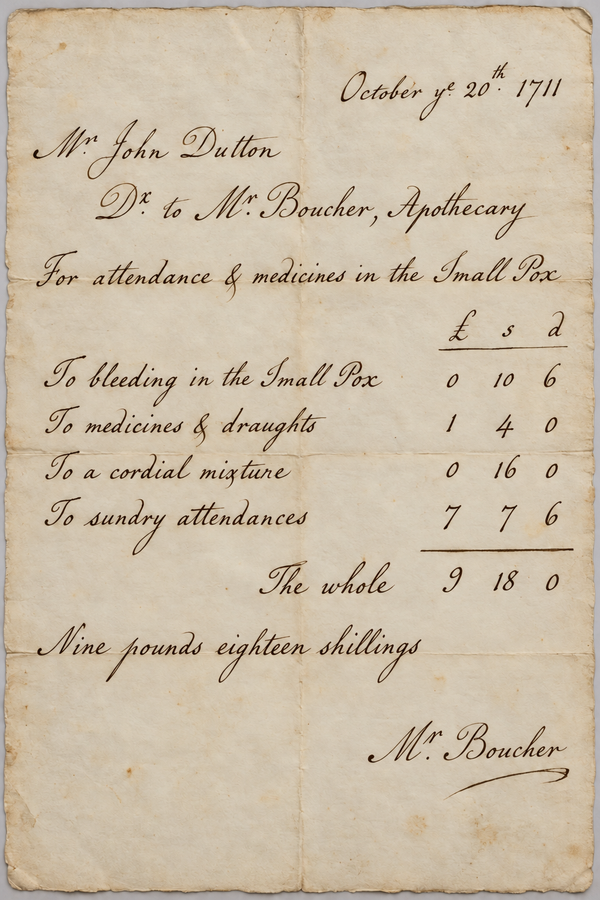
I have continued to work closely with AI to develop the deciphering of the 1710-1713 notebook. Recap: The notebook was written by John Dutton. He took over from his father, Ralph Dutton, after Ralph Dutton got into trouble financially. Ralph Dutton was banished to Ireland, a pension of £400 per annum and John Dutton inherited the estate early.
I don't think that the notebook itself has ever been formally deciphered, although some of the accounts that were drawn up as a result of it have appeared elsewhere.
The Notebook is particularly useful for a number of reasons.
- Firstly, the period in question is immediately after John Dutton took over the running of the estate. So there is much turmoil financially and the Sherbrooke Estate is in a bit of a mess. The notebook shows him getting to grips with debts and where he is also owed money. He clearly had a sensible head for finances and confidently takes loans at 5 or 6% and makes payments on them and makes many key decisions to bring the estate back under control. It is a complex financial arrangement. Given my earlier analysis of the changing economics of Sherborne over the centuries, it's interesting that John Dutton seems to have directly taken rented, tenanted-out farms back into direct control. A significant part of his activity is actually overseeing agriculture himself, rather than just letting out tenant farms as I had presumed.
- John Dutton was also a qualified lawyer and a magistrate and sat at courts in the local area. The notebook shows him making notes about cases he's been dealing with, and therefore you get quite a broad understanding of a man engaged in his own estate and the local community.
- By coincidence, the date of this notebook is just a few months after Kip's famous drawing of Sherborne House and part of the estate. (see image above) This has enabled me to cross-reference items discussed in the notebook with items shown in Kip's drawing. That's really useful. A few years ago, I wrote about analysing this image. All is not as it first seems, and there is a lot of data we can extract from it, and it also ties in to modern lidar imagery which confirms the presence of features once thought to be the imagination of the artist. I may republish that analysis at some point soon
- It's interesting, too, that the notebook coincides with the coming of age of James Bradley, Sherborne's most famous son, who went on to become the Astronomer Royal. There is even a gift to James Bradley of £1 from John Dutton recorded in the notebook when James Bradley was 18. Bradley's father gives up part of his tenanted farmland, perhaps because it's too much for him, and John Dutton goes on to farm it directly.
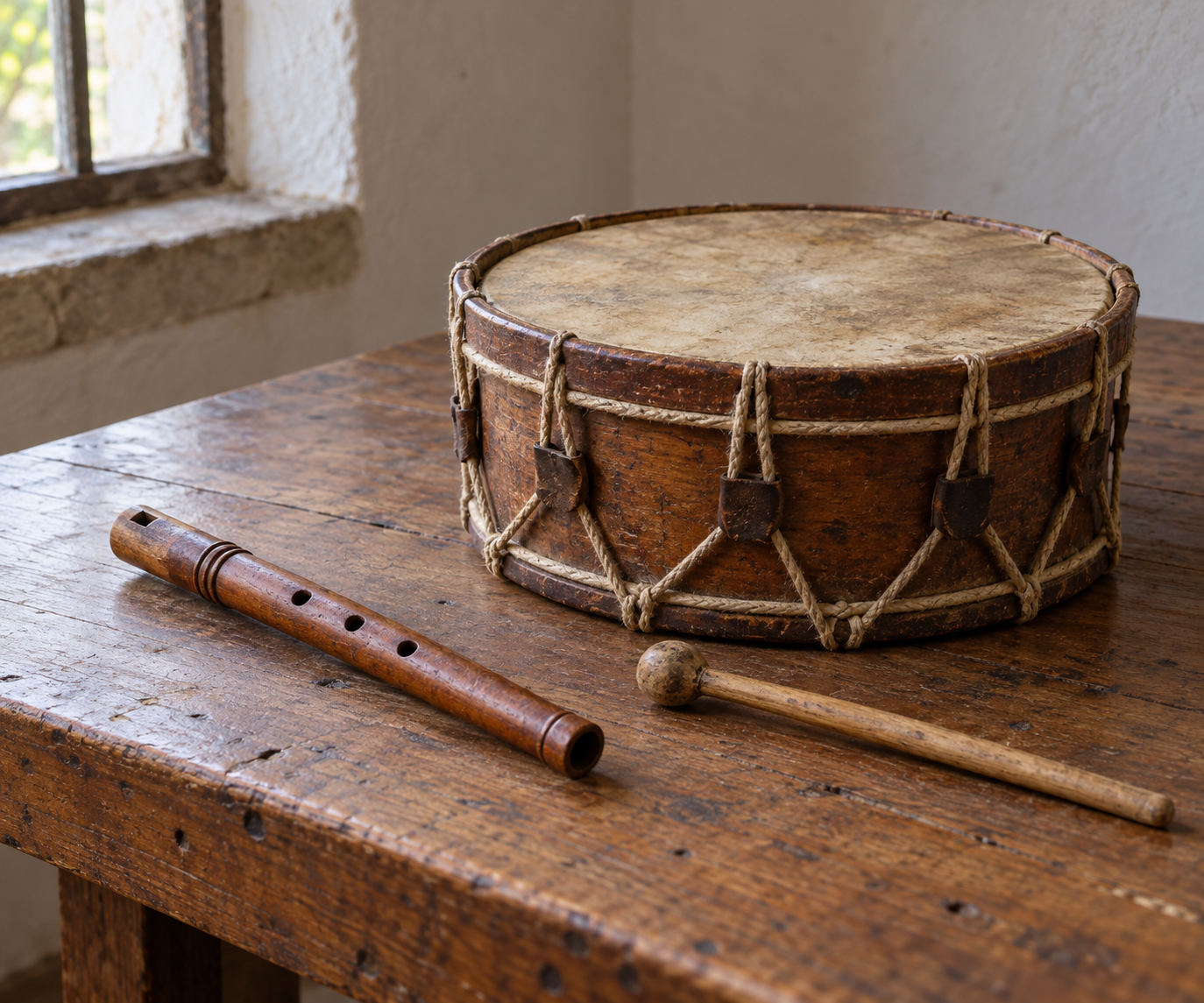
- John Dutton also frequently pays for musicians to entertain the locals at festivals, or indeed just at the haymaking session in local fields. No MP3 players in those days, apparently. Quite often, this music is described by the hiring of a pipe and tabor. This was like an early one-man band: a little drum played with one hand and a pipe played with the other. Here's a picture.
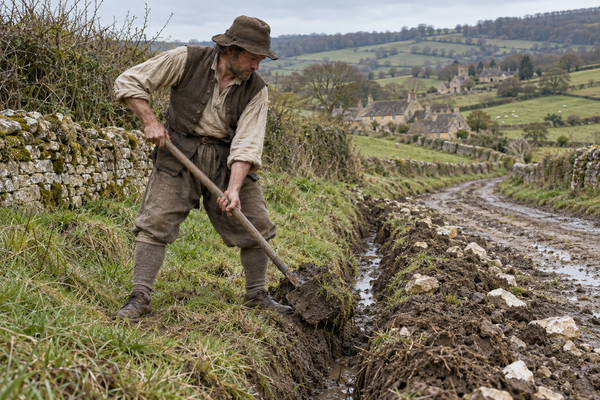
Finally, one particularly pertinent today: a Mr.Ralph Moor was paid in the summer of 1712 for "mowing" the Sherborne Brook. It took him several days. So, over 300 years ago, the brook, as it does today, needs a little bit of maintenance.
Once complete, I will be providing a full transcript of the main document, the notes I've made, and the tables I've generated of the people and the gifts and suchlike. They will be provided in hard copy and digitally to the Sherborne Archives. The National Trust are, of course, welcome to a copy if they wish. If you'd like a copy, let me know, and I'll provide it to you - but beware, it's a little bit dense.